

Toward Prabowo’s Command Democracy
Monday, January 12, 2026
The idea of indirect local elections was planned by Prabowo Subianto long before he became president. His way of realizing command democracy.
arsip tempo : 178040411474.
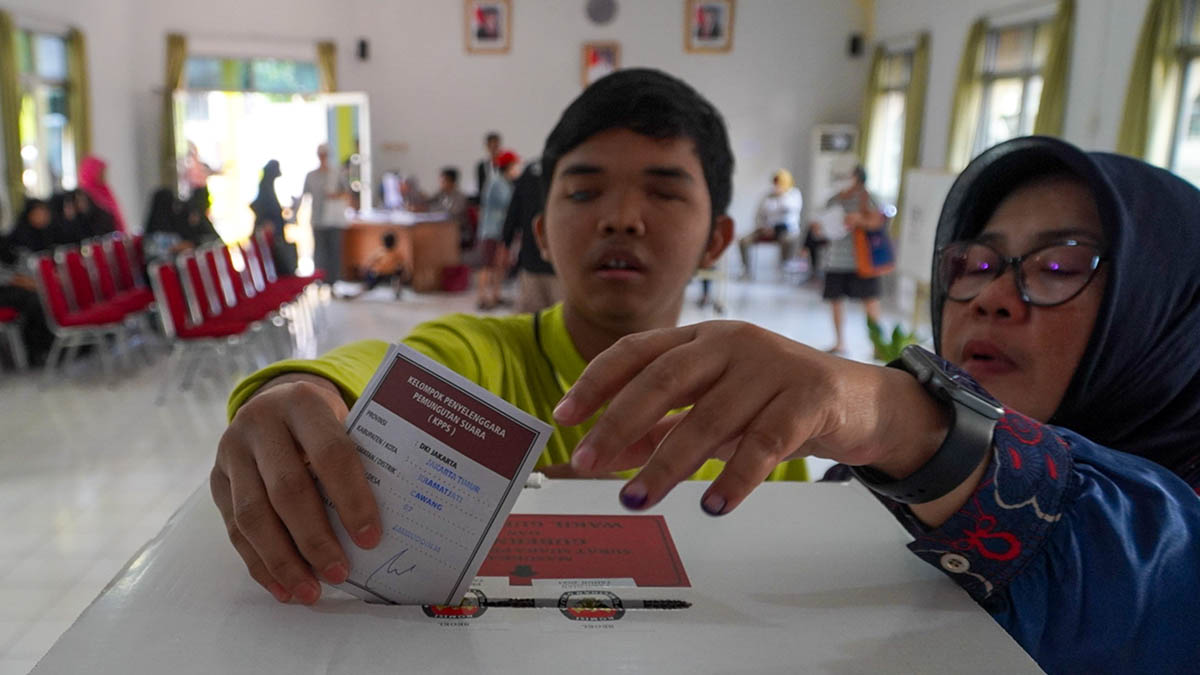
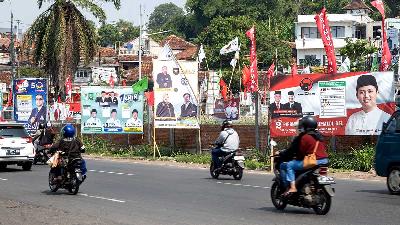
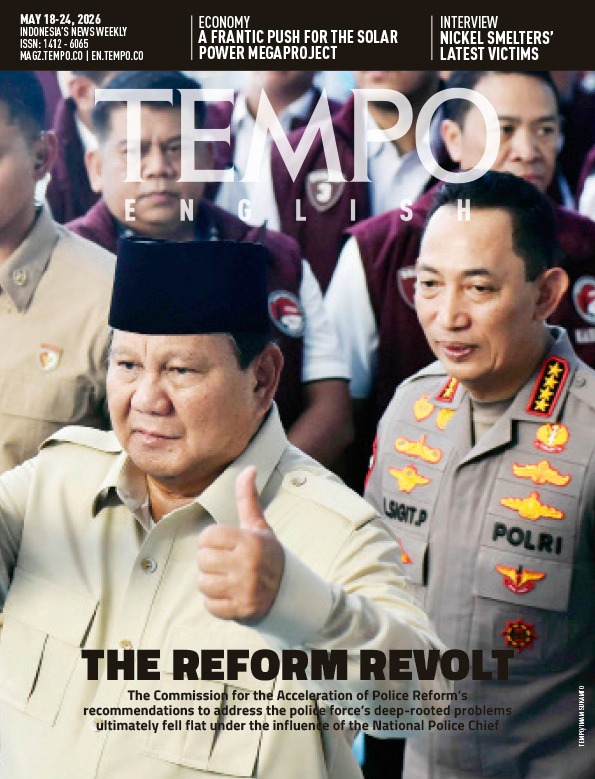
FOR those who have finished reading The Paradox of Indonesia and Its Solutions, what has unfolded recently should come as no surprise. The maneuver by leaders of the governing coalition to revive the idea of returning regional head elections to the regional legislative councils (DPRD) was Prabowo Subianto’s idea long before he became president.
The argument is the same: cost. Prabowo says liberal democracy through direct elections is expensive. Presidential candidates, regional heads, even village chiefs must have substantial funds to win. As a result, they turn to capital owners for logistical support. Once in office, public policy then serves the interests of those financiers.
In Prabowo’s view, Indonesia lags behind because the state budget leaks through corruption and policy is controlled by oligarchs. That is what he calls Indonesia’s paradox: a country rich in natural resources, yet home to a population that is poor and poorly educated. The solution, he argues, is a form of democracy that aligns with the 1945 Constitution.
That is why Tempo’s editorial accompanying this week’s cover story analyzes the proposal for indirect regional elections as little more than a stepping stone toward amending the 1945 Constitution and restoring it to its original version. It is, in effect, a trial balloon to gauge public reaction. If the move proceeds smoothly, the ultimate goal is to return presidential elections to the People’s Consultative Assembly (MPR) and regional head elections to the DPRD.
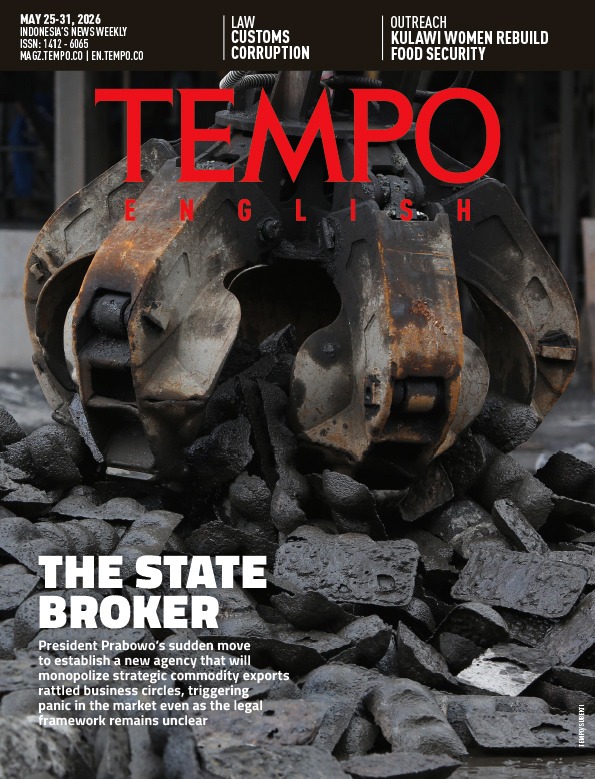
Prabowo’s political solution runs in parallel with his economic one. He is captivated by China-style “state capitalism,” which he believes can effectively manage national wealth. In his view, China’s economic model represents a consistent implementation of Article 33 of the 1945 Constitution: land, water, and natural resources are controlled by the state and used for the greatest possible prosperity of the people.
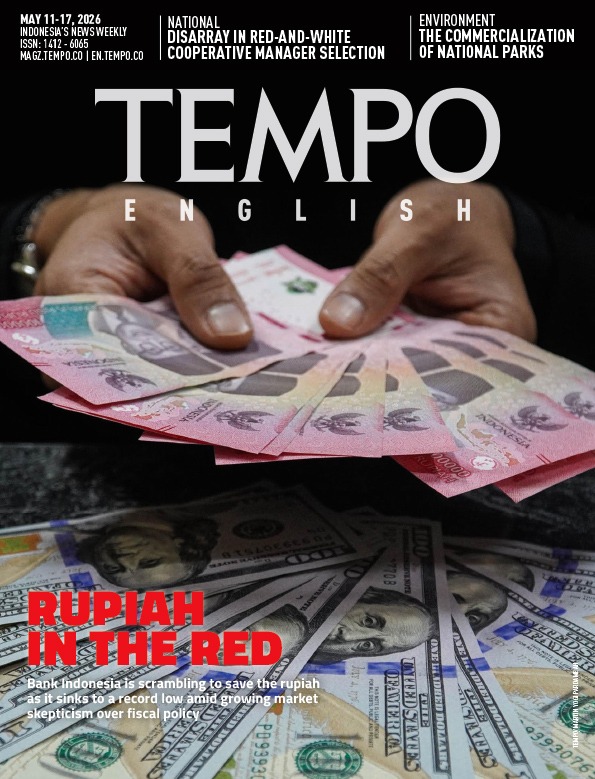
Like China, Prabowo establishes Danantara as a state holding company to manage national assets. And again like China, he uses cooperatives as instruments of economic redistribution. That is why he creates the top-down Red-and-White cooperatives. More recently, he adds the military as managers of natural resources and as leaders of civilian institutions.
Once this economic “strategy” runs smoothly, he moves into the political realm in the form of command democracy—another term for the Guided Democracy of President Sukarno. Prabowo’s admiration for Indonesia’s proclaimer of independence is well known, from his imitation of Sukarno’s oratorical style to his manner of dress. To achieve this vision, there is no other way than to return the entire state order to the era before the 1998 Reformasi.
From a political calculation standpoint, the Gerindra Party does not dominate regional legislatures. Within the coalition, Golkar holds the most seats in DPRDs. Indirect regional elections benefit only the party that once served as the engine of the New Order.
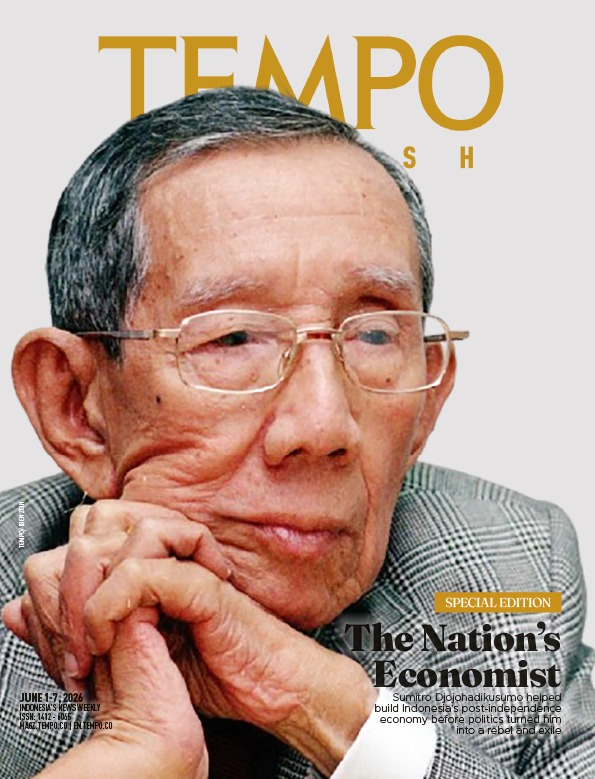
History also offers a lesson Prabowo ought to heed from his father, Sumitro Djojohadikusumo. In the 1950s, Sumitro joined the Revolutionary Government of the Republic of Indonesia and the Universal People’s Struggle. Both rebelled out of frustration with Sukarno’s centralized rule.
Abolishing direct regional elections, then, risks triggering widespread disappointment. More than a right, direct elections represent the public’s joy in participating in politics. Regional resistance is not beyond imagination.
Moreover, the high cost of direct regional elections stems from elite horse-trading among party leaders and voter bribery. Many independent candidates win office by offering programs that make sense.
That is why the complaint about high cost sounds more like a pretext. After all, Prabowo lavishes the budget on so-called priority projects. Why, then, do he and other politicians lament the expense when it comes to regional elections? At the end of this political and economic turmoil lies Prabowo’s ambition to establish a command democracy and a system of state capitalism.